
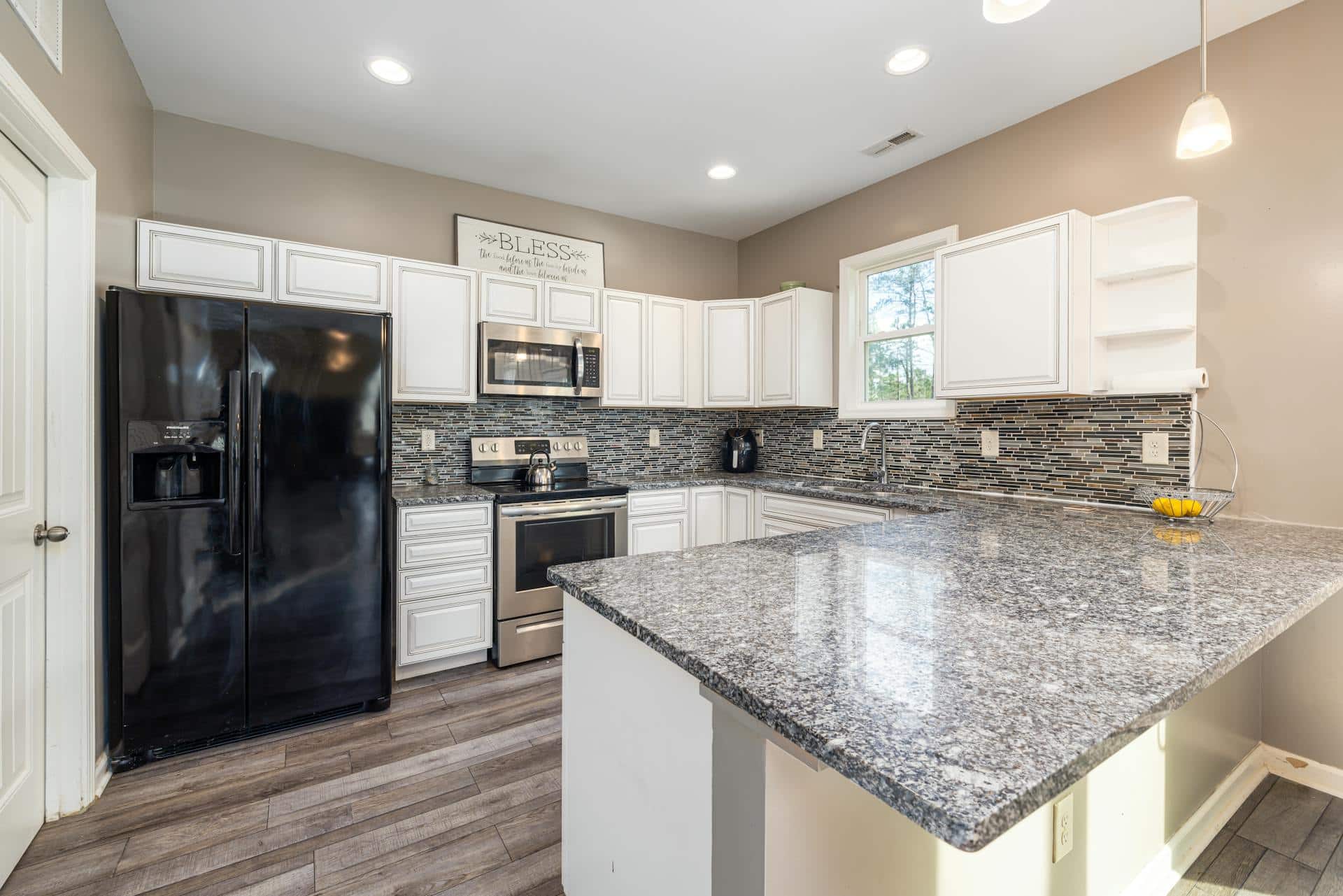
Kitchen Countertop: Marble, Dekton, Ceramic, or Quartz? Let’s Explore Bespoke Elegance Together
Ah, the choice of kitchen countertop… This is undoubtedly one of the most loved and feared dilemmas for all those who dream of a bespoke, elegant, and functional kitchen. Between the nobility of marble, the modernity of ceramic, the technical prowess of Dekton, or the versatility of quartz, it’s hard to know where to start! And above all: how can you be sure that your splendid countertop won’t become a capricious daily companion, especially when it comes to finding an interior layout adapted to your professional or family needs? Rest assured, there are a few tips to combine beauty, practicality, and Italian harmony, even if you’ve never dissected a granite vein or experimented with textures in a lab!
Understanding Your Needs Before Choosing Your Kitchen Countertop
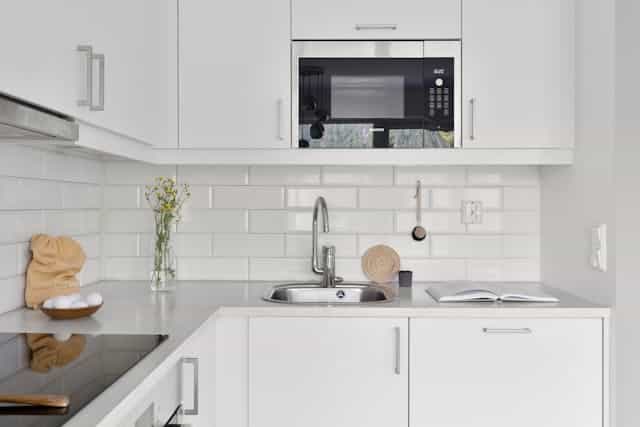 A common first mistake: succumbing to aesthetic infatuation without considering the actual use of your bespoke kitchen. We all imagine a magazine-worthy decor, but between a large family fond of pasta parties and an amateur chef passionate about pastry, the constraints quickly vary. Italian design always favors a subtle balance between aesthetics and functionality, drawing on a long tradition of interior layout that is both stylish and clever.
Interior designers, from Nice to the entire French Riviera, know well that a countertop must interact with the entire room: colors, light, flow, practical details such as the height or robustness of the chosen materials. A beautiful stone is not enough; beware of indelible stains or unexpected cracks after a lively brunch. It’s better to prevent than to cure, and to consider every detail to avoid these classic pitfalls!
The Art of Detail: A Closer Look at Four Essential Materials
Let’s get to the heart of the matter and review the essential qualities of four major families of kitchen countertops: marble, quartz, Dekton, and ceramic. Each has its strengths (and sometimes its little demands!), so here’s how to gain clarity while avoiding the most common missteps. To refine your choice, it may be useful to consult a detailed guide on the different materials suitable for kitchen countertops.
Marble: Timeless and Delicate Nobility
It’s difficult to talk about Italian kitchens without mentioning marble. This natural material captivates with its unique veins, cool touch, and aristocratic elegance. It’s no wonder it inspires connoisseurs of refinement as well as demanding architects!
But be careful: marble is sensitive to acids (lemon, vinegar…), scratches easily, and requires regular maintenance. If you’re a fan of colorful menus or kneading dough directly on the surface, think twice. To preserve its royal luster, opt for a water-repellent treatment and consider it almost a work of art — trivets are mandatory!
Quartz: Performance and Creativity Combined
Quartz appeals to those who like to vary styles without fearing stains or scratches. This technical composite allows for all daring colors and effects, while ensuring significant resistance. It is the champion of contemporary interior design, capable of imitating different materials according to your desires.
Perfect for entertaining or intense cooking, a quartz countertop ticks many boxes. But be cautious: its heat resistance remains lower than that of natural stones. Avoid placing a hot pan directly on it, or you risk keeping an indelible memory of your favorite gratin!
Ceramic and Dekton: Technical Prowess and Boldness
Increasingly popular among kitchen designers, ceramic and Dekton combine sharp aesthetics with exemplary properties. Ceramic offers printing finesse (wood, concrete, stone effects…) and almost extraordinary resistance: it withstands heat, stains, and intensive use – ideal for a busy family life.
Dekton, for its part, pushes performance even further thanks to its extreme qualities: it resists scratches, heat, UV rays, and impacts. Some call it the “worry-free surface.” However, be aware: each material requires precise installation and sometimes specific tools. For a truly bespoke project, nothing replaces the expertise of an experienced professional.
Composing the Space Like a Maestro: Italian Interior Design Tips
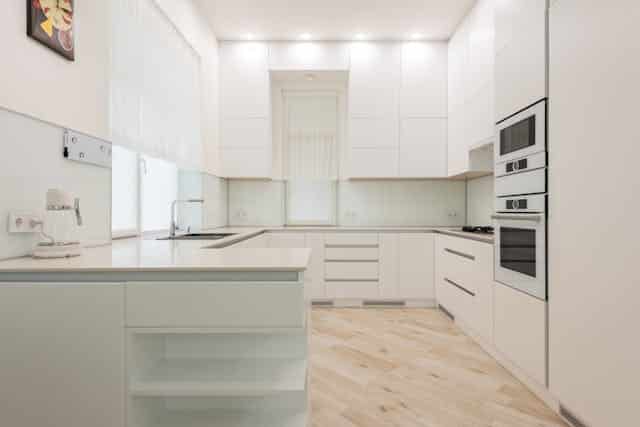 At AS Design, an Italian kitchen designer in Nice inspired by Italian design, every kitchen corner becomes a blank canvas to orchestrate your desires. To highlight your countertop, a few key elements make all the difference:
- Visual Coherence: choose a palette of tones to connect the countertop, fronts, and backsplashes to the rest of the room, whether it’s a noble marble or a refined ceramic.
- Soft Contrasts: a dark granite will highlight light cabinets, while a tinted quartz will enhance the shine of stainless steel or the softness of wood.
- Refined Simplicity: avoid multiplying effects at the risk of causing visual overload upon entering the kitchen! A single prominent element can be enough to add character.
- Intelligent Practicality: place countertops near water and cooking areas, while keeping a clear preparation zone. Trust the intuition of professionals to anticipate flow and storage, with discreet but effective solutions.
A secret from Italy? Ancestral methods of proportion guarantee not only aesthetics but also ergonomics. As Leonardo (not DiCaprio!) said: “Every detail counts.” Sometimes, moving an outlet or adjusting the height of a drawer completely transforms the daily experience.
Pitfalls to Avoid When Choosing Your Kitchen Countertop
Certain pitfalls often recur among those who install their own kitchen countertop, thinking they are saving time or budget. First myth: believing that a sophisticated material automatically makes the kitchen practical! An unprotected marble absorbs everything, a poorly installed Dekton loses its charm, a dark quartz shows all fingerprints… Not to mention neglecting the thickness, which nevertheless affects the overall solidity of the project.
Another common pitfall: blindly following current trends. Too often, the star countertop eventually becomes tiresome or clashes with a new dresser found on the French Riviera. A
Ready to Transform Your Kitchen in Nice or Elsewhere? Bonus Inspiration
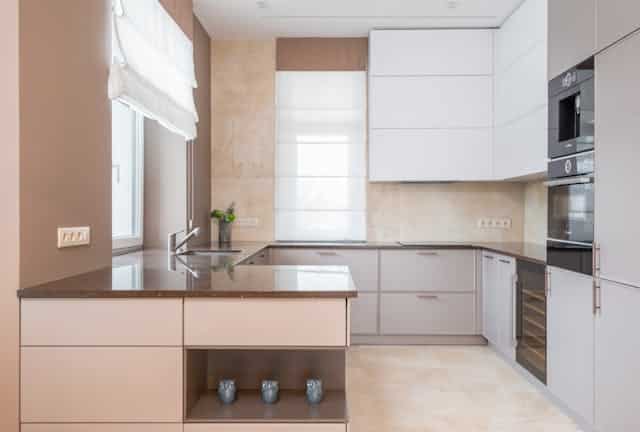 Every bespoke kitchen is unique, and every project begins with a careful listening to your aspirations, space constraints, or professional needs. On the French Riviera, calling upon an expert Italian design kitchen designer means benefiting from a keen eye and advice adapted to each situation — individuals, DPLG architects, designers, or developers.
Want to go further now? Observe the natural light in your room, identify the ideal shades for your kitchen countertop, and note three major daily uses. Then imagine two different options for each key area (preparation, cooking, washing). Bonus tip: always ask your kitchen designer for a real-life sample before making your final choice, to test texture, color, and ease of maintenance. There’s nothing like a concrete preview to validate your decision… or change your mind with a smile! Go for it, because the perfect kitchen is always built around your desires and the art of detail.