
Designing a Kitchen Island: Our Design Tips
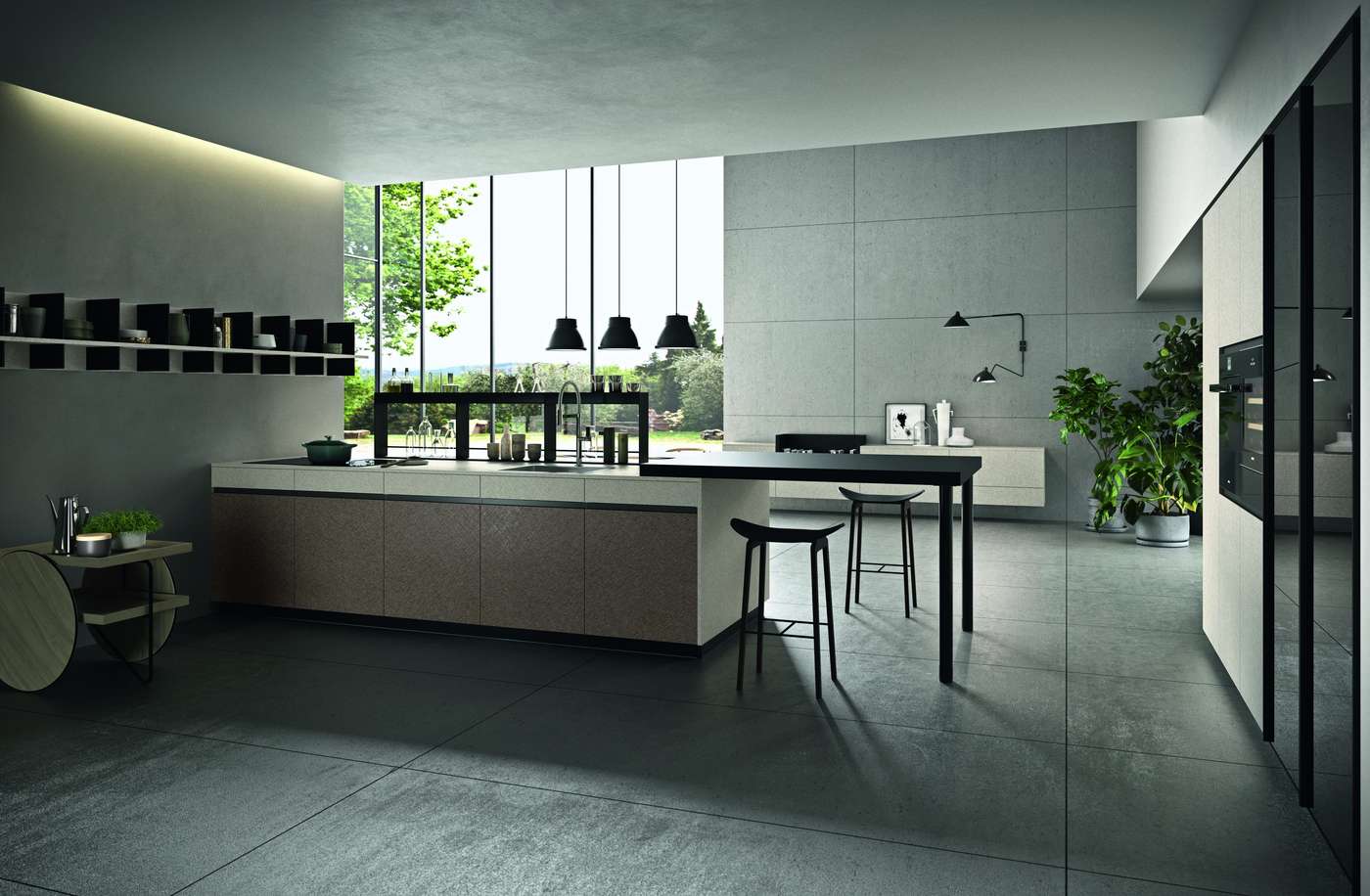
The kitchen island transforms a kitchen, adding functionality, style, and conviviality. But how to design it for optimal use? From surface area to layout, including material selection, every detail matters! Discover how to design a perfect kitchen island to enhance your kitchen and make it a living space that is both practical and aesthetic.
A Well-Designed Kitchen Island for a Harmonious Kitchen
The kitchen island is much more than a simple decorative addition: it’s a true focal point of your kitchen! For it to fully play its role, its placement must be carefully considered, taking into account the available space and the configuration of your room.
 Choosing the Right Location for Smooth Circulation
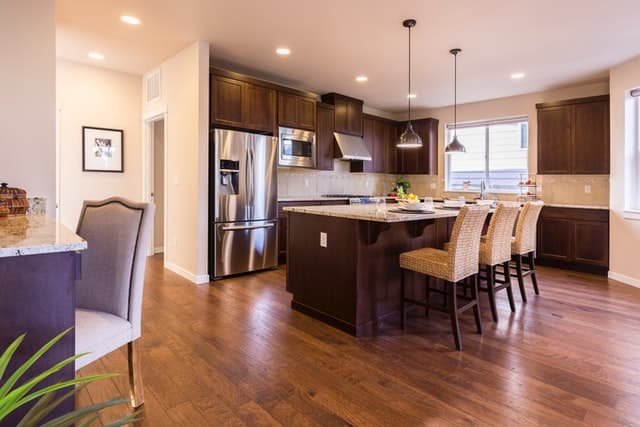
A poorly placed island can quickly become an obstacle, hindering passage and limiting user comfort. For optimal ergonomics, here are a few rules to keep in mind:
- Distance between elements: allow for at least 120 cm of space between the island and main elements (such as the sink, hob, or worktops) to facilitate movement and ensure user comfort.
- Passage area: ensure that the island does not obstruct access to other kitchen areas, especially if it is open to the living room or dining room.
The Island: A Strong Visual Element to Structure the Space
In an open-plan kitchen, the kitchen island acts as a subtle barrier that defines spaces without partitioning them. It
Choosing the Right Design and Materials for a Durable Island
The kitchen island is a focal point in the kitchen, and the choice of materials is essential to make it an aesthetic and durable element. Each material brings a unique touch, influencing both its appearance and maintenance.
Key Materials for a Kitchen Island
- Solid wood: warm and timeless, solid wood imparts an authentic and natural charm. Perfect for a rustic or Scandinavian ambiance, it does, however, require regular maintenance to preserve its luster.
- Stainless steel: often used in professional kitchens, stainless steel brings a touch of modernity and robustness. Resistant to heat and stains, it integrates well into an industrial design but can be prone to scratches.
- Quartz: this composite material is valued for its resistance to stains and scratches, as well as its elegant appearance. It is ideal for modern kitchens and offers a wide range of colors.
- Marble: luxurious and aesthetic, marble is a high-end choice, but beware: it is porous and requires specific maintenance to avoid stains.
- Polished concrete and laminate: these contemporary materials are suitable for minimalist or industrial kitchens. Easy to maintain, they withstand daily use well and are available in several finishes.
Harmonizing the Island’s Design with the Kitchen
The choice of materials must not only meet functional needs but also align with the overall kitchen style. Opt for materials and colors that complement the rest of the room for a harmonious result. A wooden island harmonizes well with white elements for a refined ambiance, while a stainless steel island can reinforce a modern and urban style.
A Versatile Kitchen Island to Meet All Your Needs
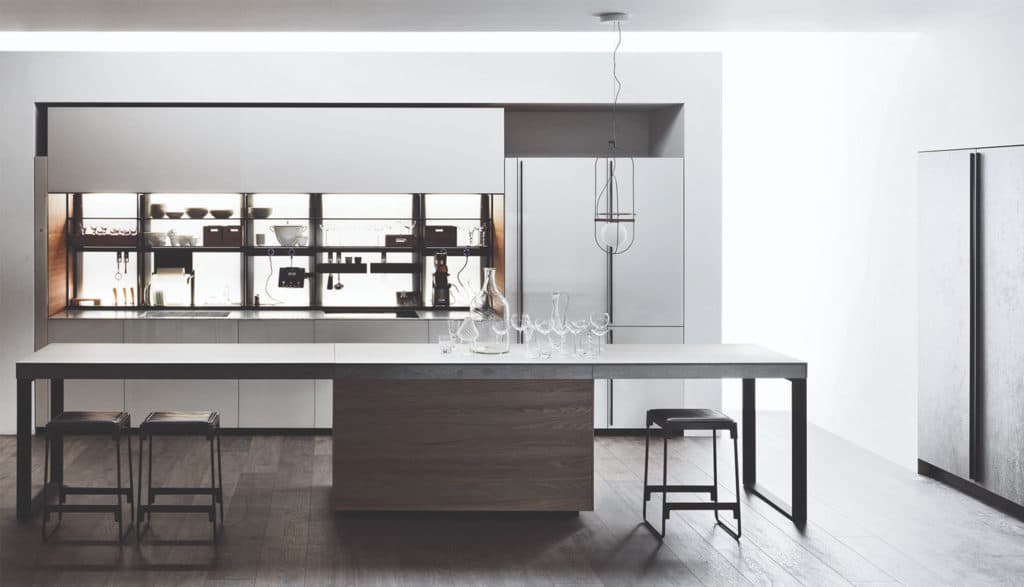 A well-designed kitchen island transforms into a multifunctional space meeting the needs of every kitchen. It can thus become a preparation area, storage space, or even a dining nook, depending on individual habits and preferences.
A Practical and Accessible Kitchen Space
Adding a sink, hob, or cutting area to the island provides direct access to work zones, simplifying daily tasks and streamlining movement. For cooking enthusiasts, this configuration allows for meal preparation while remaining at the heart of conversations.
Convivial and Functional Dining Area
For an island serving as a dining area, planning a slight overhang of the countertop allows for the addition of stools, thus creating an ideal space for sharing informal meals. This arrangement makes the kitchen more inviting, transforming it into a true gathering place.
Maximizing Storage and Functionality
The kitchen island also offers an efficient storage solution, with drawers and cupboards to easily organize utensils and equipment. The addition of electrical outlets allows for the use of small appliances directly on the island, making the kitchen more practical and versatile.
Designing a kitchen island is much more than simply adding a piece of furniture to the kitchen. It means rethinking ergonomics, choosing suitable materials, and anticipating daily uses. Well-designed, it transforms the room into a welcoming and multifunctional living space. Imagine and shape this space so that it perfectly adapts to your needs and reflects your style!